June 1943, during World War II
The Melbourne Alley Incident
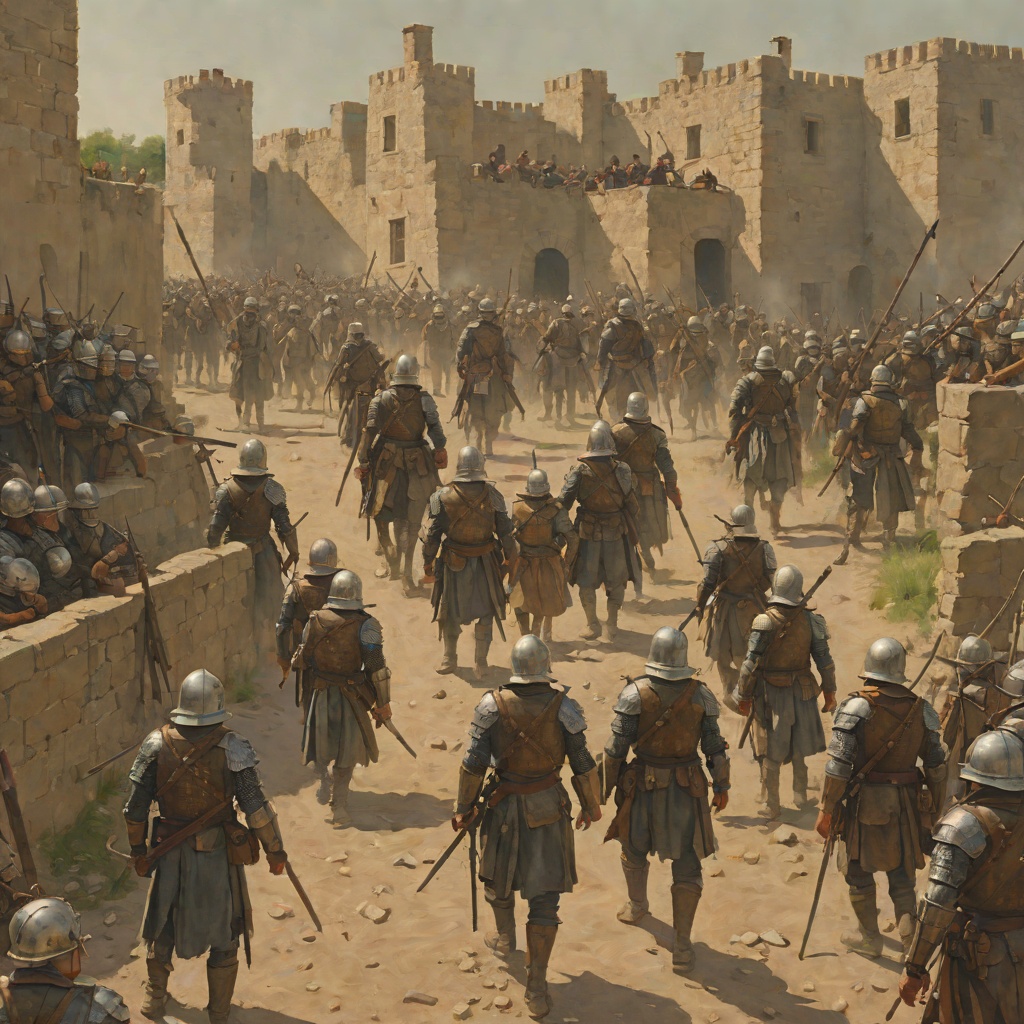
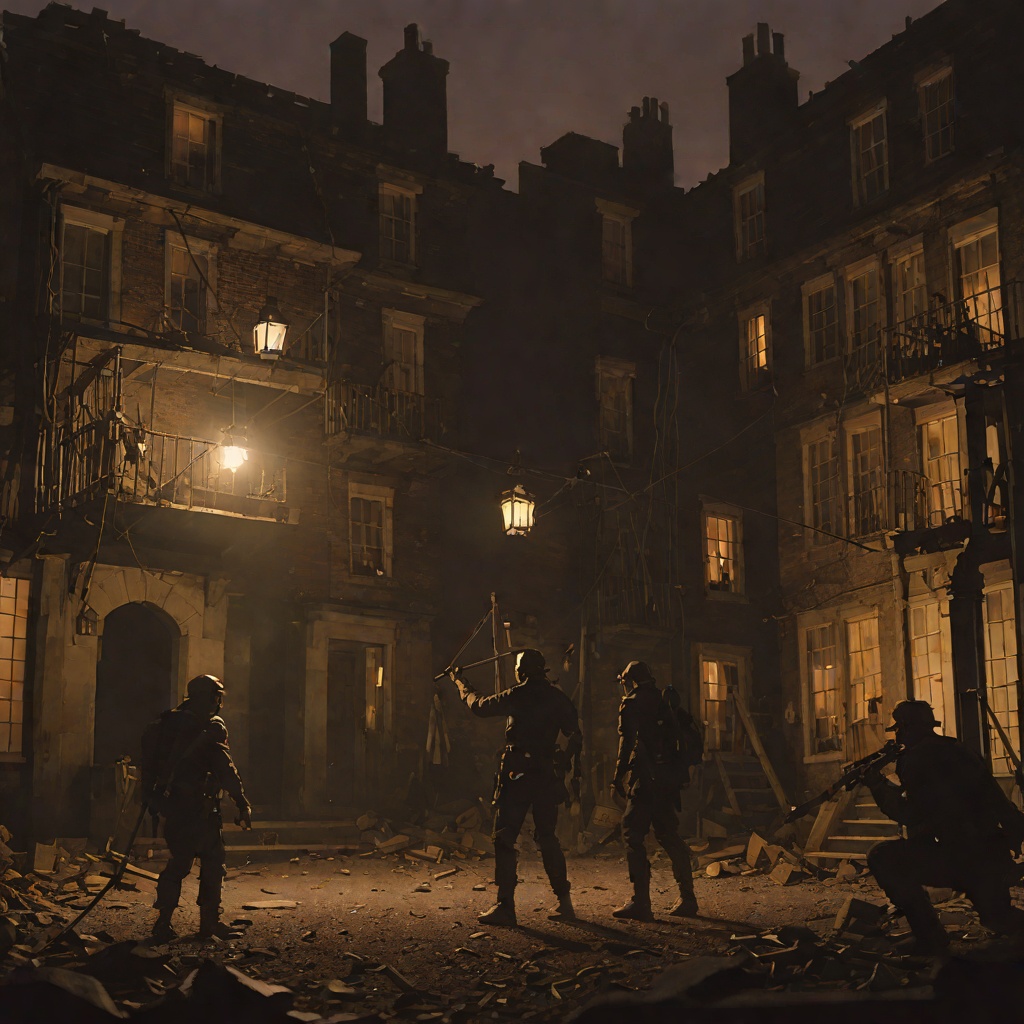
In the early hours of a cold June night in [Melbourne](entity:location-recall-location-melbourne-9115df2f60d3), First Lieutenant Sam Bowden, a young officer in the [Judge Advocate General's Department](entity:organization-recall-organization-judge-advocate-g-538a9d656d03), is walking back to his ship after a night of drinking. He hears a whimpering sound in an alley and discovers a fourteen-year-old girl being brutally raped by a drunken staff sergeant, Max Cady. Bowden intervenes, pulling Cady off the girl and striking him, then summons the Shore Patrol. The incident becomes the foundation of a lifelong enmity, as Bowden's testimony at the subsequent court-martial leads to Cady's conviction and life sentence at hard labor. The memory of the girl's animal whimper and Cady's sullen, vicious gaze will haunt Bowden for years, and the event sets the stage for the novel's central conflict.
June 1943, shortly after the Melbourne alley incident
Cady's Court-Martial and Conviction
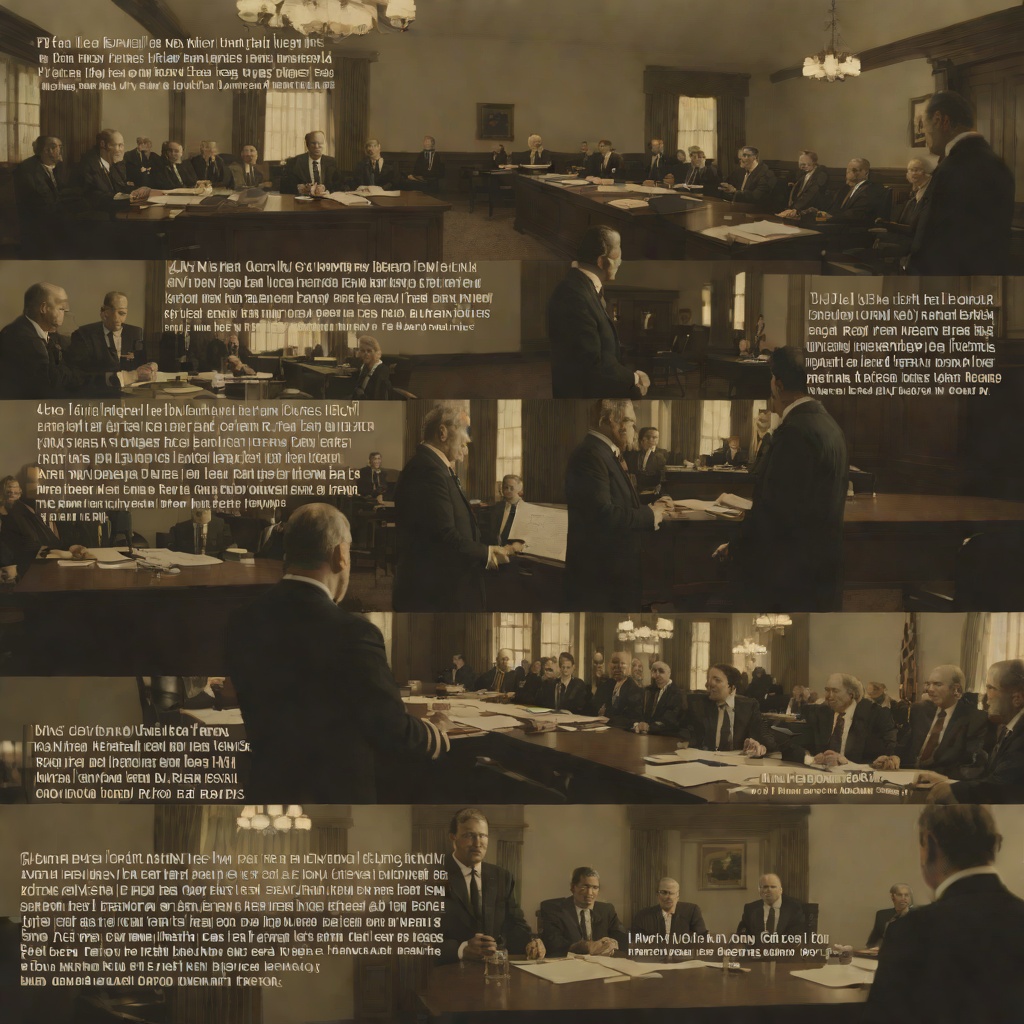
Sam Bowden is held over in [Melbourne](entity:location-recall-location-melbourne-9115df2f60d3) to testify at the court-martial of Staff Sergeant Max Cady. Cady, a twenty-five-year-old combat veteran with over two hundred days of service in the islands, is charged with rape. Despite Cady's defense that the girl looked older and was out on the street at two in the morning, the court convicts him and sentences him to life at hard labor. Bowden observes Cady in the courtroom, noting his simian features, his deep-set brown eyes, and the palpable hatred he directs at Bowden. Cady's conviction is a turning point in both men's lives: for Bowden, it is a moment of moral duty fulfilled; for Cady, it becomes the seed of a consuming obsession with revenge.
September of the previous year, before the novel's opening
Cady's Release from Prison
After serving thirteen years of his life sentence at hard labor, Max Cady is released from federal prison. He returns to his brother's home in [Charleston, West Virginia](entity:location-recall-location-charleston-west-virg-22295d4c8f86), where they sell the family property and split the proceeds, leaving Cady with about three thousand dollars. Cady's release is the culmination of years of brooding over the injustice he believes he suffered at Bowden's hands. He begins to plan a campaign of psychological and physical terror against Bowden and his family, determined to make the lieutenant pay for the years he lost. The release sets in motion the events that will disrupt the Bowden family's peaceful existence.
Thursday, a few weeks before the novel's opening
Cady's Parking-Lot Confrontation
Sam Bowden, leaving his office in [New Essex](entity:location-recall-location-new-essex-6ce8dac90647), is accosted by a man he does not recognize at first: Max Cady, now bald, deeply tanned, and physically imposing. Cady falls into step with Bowden, grinning in a disconcerting manner, and reveals his identity. He tells Bowden that he has been thinking about him for fourteen years, and that he wanted to give him '[the word](entity:expression-recall-expression-the-word-843fcb2016a0)' on what thirteen years of hard labor was like. Cady follows Bowden to his car, snatches the keys, and leans in to deliver a veiled threat, mentioning Bowden's wife and children. The encounter leaves Bowden shaken and deeply uneasy, marking the beginning of the siege on the Bowden family.
A Saturday in June, early in the novel
The Bowden Family Picnic on the Island
The Bowden family enjoys their first expedition of the year to their private island, twelve miles out into the lake northwest of [New Essex](entity:location-recall-location-new-essex-6ce8dac90647). Sam Bowden lies on the beach, trying to convince himself that all is well, but he is preoccupied with the recent encounter with Max Cady. He confides in his wife Carol about the confrontation, revealing the story of the [Melbourne alley incident](entity:action-recall-action-melbourne-alley-incide-013bc01818a1) and his fear that Cady is not sane. Carol is frightened, and the couple's idyllic day is shadowed by the threat. The picnic establishes the Bowdens' happy family life and the intrusion of Cady's menace into their world.
A week before the picnic, in the morning
Carol's Sighting of a Man on the Stone Wall
Carol Bowden recalls an incident from the previous week when she saw a gray car parked on the shoulder of the road near their home and a heavy, bald man sitting on their stone wall, smoking a cigar. The man stared at the house, and Carol felt uneasy, but she dismissed it as a salesman or someone enjoying the view. After learning about Cady, she realizes the man may have been Cady, scouting their home. The sighting confirms the Bowdens' suspicion that Cady is targeting them, and it adds to their growing fear.
Friday, the day after the parking-lot confrontation
Sam Bowden Consults Charlie Hopper
Sam Bowden has lunch with Charlie Hopper, the young city attorney of [New Essex](entity:location-recall-location-new-essex-6ce8dac90647), and tells him about Max Cady. Hopper is sympathetic but suggests that the police can 'put the roust' on Cady, using legal harassment to drive him out of town. Bowden is not entirely reassured, but he agrees to the plan. The conversation highlights Bowden's faith in the law and his hope that the system can protect his family, a faith that will be tested throughout the novel.
Early June, after Hopper's intervention
The Police Rousting of Max Cady
Captain Mark Dutton of the [New Essex Police Department](entity:organization-recall-organization-new-essex-police-e83f91031065), acting on Charlie Hopper's request, has Max Cady picked up and questioned. Cady is found to be living in a rooming house at [211 Jaekel Street](entity:location-recall-location-211-jaekel-street-d456a83a0f08), driving an old gray Chevy with West Virginia plates, and carrying about three thousand dollars in a money belt. The police search his room and car but find nothing incriminating, and they are forced to release him. Dutton reports to Bowden that Cady was cool and plausible, and that they will keep an eye on him, but Bowden is not convinced that Cady will be scared off.
Tuesday, after the police rousting
Sam Bowden Hires Sievers
Following Charlie Hopper's suggestion, Sam Bowden contacts the [Apex](entity:organization-recall-organization-apex-2a60342d2fbd) detective agency and hires a private investigator named Sievers to watch Max Cady. Sievers is a square-headed, gray-faced man with a cold demeanor, and he listens to Bowden's account with bored detachment. Bowden wants to know if Cady is planning to harm his family, and Sievers agrees to tail him. The hiring of Sievers represents Bowden's attempt to take proactive measures, but it will prove to be of limited effectiveness against Cady's cunning.
Wednesday and Thursday, late June
Sievers' Surveillance of Max Cady
Sievers reports to Sam Bowden on his surveillance of Max Cady. Cady is shown to be a creature of habit, frequenting [Nicholson's Bar](entity:location-recall-location-nicholson-s-bar-2a489d4494b9) and spending time with a woman named Bessie McGowan. However, Cady quickly becomes aware that he is being followed, and he deliberately shakes Sievers off, confronting him in the street with a grin and a comment. Sievers admits that Cady is 'cute and good' and that he cannot tail him effectively. He suggests that Bowden drop the surveillance, as Cady will always be able to evade it. The failure of the surveillance underscores Cady's intelligence and the difficulty of dealing with him through conventional means.
Friday afternoon, late June
The Poisoning of Marilyn
Carol Bowden calls Sam at work, hysterical, to report that the family dog, Marilyn, has died in agony. The dog had been poisoned, likely with strychnine administered in raw meat. The children witnessed the dog's convulsions and death, and the family is devastated. Sam suspects Cady is responsible, and Carol is convinced of it, pointing out that Marilyn always ran to meet the school bus, making her an easy target. The poisoning is the first direct attack on the Bowden family, and it marks a turning point in the siege, escalating from psychological intimidation to violence.
Saturday, the day after the poisoning
The Family's Target Practice
In the aftermath of Marilyn's death, Sam Bowden organizes a family target practice session on the hill behind their house. The family uses [the Woodsman pistol](entity:object-recall-object-the-woodsman-pistol-a273965554f3), and Sam teaches Carol how to shoot, noting her grim determination. The children, especially Jamie, are subdued and angry, and the practice takes on a new seriousness. Sam leaves the cans hanging as a reminder of the need for vigilance. The scene underscores the family's growing awareness of the threat and their preparation to defend themselves.
Saturday afternoon, the same day as the target practice
The Boat-Yard Confrontation
While working on the [Sweet Sioux III](entity:object-recall-object-sweet-sioux-iii-e87d2022966a) at Jake Barnes's boat yard, Sam Bowden is confronted by Max Cady, who has followed the family there. Cady sits on a pile of timbers, drinking beer and smoking a cigar, and makes lewd comments about Nancy, who is nearby. He tells Bowden the story of his ex-wife Mary, whom he kidnapped and raped after his release, and he implies that he plans to do the same to Bowden's family. Bowden loses his temper and tries to punch Cady, but Cady easily catches the blow and leaves with a mocking grin. The confrontation is a direct threat, and it leaves Bowden shaken and Nancy frightened.
Tuesday evening, after the boat-yard confrontation
Sam Bowden Tells Nancy About Cady
Sam Bowden decides to tell his daughter Nancy about Max Cady, explaining that Cady is a man who hates him and may try to harm the family. He describes Cady's appearance and warns her to stay away from him. Nancy is initially excited by the drama, but she takes the warning seriously. Sam also tells Jamie, who responds with violent fantasies of revenge. The scene shows Sam's attempt to protect his children by arming them with knowledge, even as he struggles with his own fear.
Saturday night, after the boat-yard confrontation
Sam Bowden's Failed Underworld Errand
After the failure of the police and the private investigator, Sam Bowden, in desperation, tries to hire thugs to beat up Max Cady. He meets with Sievers, who arranges for three men to attack Cady outside his rooming house. The attack goes disastrously wrong: Cady fights back, seriously injuring two of the thugs and escaping. Cady is arrested for assaulting a police officer and sentenced to thirty days in jail. The failed attempt leaves Bowden feeling guilty and morally compromised, and it does nothing to stop Cady.
Wednesday night, late June
Cady's Fight with the Three Thugs
Three local punks, hired by Sam Bowden through Sievers, ambush Max Cady in the yard behind his rooming house. They attack him with a bicycle chain and a piece of pipe, but Cady, despite being caught off guard, fights back with ferocious strength. He throws one man through the side of a shed, breaking his back, and severely injures another with a broken jaw, broken wrist, and concussion. The third man flees. Cady is dazed and, in the dark, swings on a patrolman, breaking his nose, and is subsequently arrested. The fight demonstrates Cady's physical prowess and his ability to survive even a professional beating.
Thursday night, late June
Cady's Sentencing to Thirty Days
Sam Bowden attends night court to witness Max Cady's sentencing. Cady pleads guilty to striking the officer, and the other charges are dismissed. He is fined one hundred dollars and sentenced to thirty days in city jail. Bowden is relieved to have a month of grace, but he knows that Cady will be released on [July 19](entity:time-recall-time-july-19-ba1fc6c2fa93), and the fear will return. The sentencing provides a temporary respite but does not resolve the underlying threat.
Monday, July 1
The Bowdens Send Their Children to Camp
Sam and Carol Bowden drive their children, Nancy and Jamie, to summer camps: Nancy to [Minnatalla](entity:location-recall-location-minnatalla-f5af766ccb35) and Jamie to [Gannatalla](entity:location-recall-location-gannatalla-517c6e8a1233). They have decided that the camps are safer than home, given Cady's threat. Sam has a tense conversation with the new supervisor at Minnatalla, Mr. Teller, who is dismissive of his concerns, but he is more reassured by the director at Gannatalla, Mr. Menard, who takes the threat seriously. The children are left with instructions to stay with the group and to be wary of strangers. The departure marks a separation of the family as they try to protect themselves.
Tuesday, July 8
Sam Bowden's Gun Purchase and Target Practice
Sam Bowden obtains a permit from Captain Dutton and purchases a Smith & Wesson revolver. He practices drawing and firing the weapon on a makeshift range behind his house, using a sheet with a penciled heart as a target. Carol watches, and they discuss the moral implications of using the gun. Bowden is aware of his own reluctance to kill, but he is determined to protect his family. The gun becomes a symbol of his descent into a more primitive mode of self-defense.
Monday, July 8, and Saturday, July 12
Sievers' Departure and the Failed Contact
Sievers informs Sam Bowden that he is being transferred to California and cannot arrange the beating of Cady. He gives Bowden the name of a contact, Joe Tanelli, but when Bowden tries to contact Tanelli, he learns that Tanelli has died of a heart attack. Bowden's attempts to find other underworld contacts fail, and he is left without a plan. The failure of this avenue forces Bowden to consider more drastic measures.
Wednesday, July 31
Cady Shoots Jamie Bowden
While Jamie Bowden is doing his assigned chore of washing pots outside the mess hall at [Gannatalla](entity:location-recall-location-gannatalla-517c6e8a1233), a rifle shot rings out from a hill overlooking the camp. The bullet grazes Jamie's upper left arm, causing a gash that requires six stitches. The camp staff and sheriff determine that the shot came from a distance of about seven hundred yards, and they find a chewed cigar butt at the firing position, implicating Cady. Jamie is taken to the hospital in [Aldermont](entity:location-recall-location-aldermont-3e8c61822fd9), and the family is thrown into crisis. The shooting is a direct attempt on Jamie's life, and it escalates the conflict to a new level of violence.
Thursday, August 1, the day after the shooting
The Loosening of the Station Wagon's Wheel Lugs
After visiting Jamie in the hospital, the Bowden family drives back toward [Suffern](entity:location-recall-location-suffern-1c0413f82437) in a two-car caravan. Sam Bowden is leading in the MG when he sees the station wagon, driven by Carol, swerve and turn over in a ditch. The accident is caused by a front wheel coming off, and an investigation reveals that the wheel lugs had been loosened, likely by Cady, who had sabotaged the car while it was parked in [Aldermont](entity:location-recall-location-aldermont-3e8c61822fd9). Carol is badly shaken and suffers a split lip, and the family realizes that Cady is targeting them directly. The accident is a near-fatal attack, and it pushes Carol to the brink of a breakdown.
Thursday, August 1, after the car accident
Carol Bowden's Breakdown
After the car accident, Carol Bowden suffers a complete emotional breakdown. She is unable to stop crying and expresses her terror that Cady will kill one of her children. A doctor in [Ellendon](entity:location-recall-location-ellendon-033b6e99868b) gives her a sedative and warns Sam that she is under extreme strain. Carol's breakdown is a turning point, as it forces Sam to realize that they cannot continue living in fear. It also sets the stage for their decision to take more drastic action.
Monday, August 5
The Bowdens Plan to Trap Cady
Sam Bowden, having decided that they must take action, proposes to Carol that they set a trap for Cady. The plan involves Carol staying alone in the house as bait, while Sam hides in the barn with a signal system. They discuss the details, including the use of the buzzer alarm and the [pots-and-pans stairway alarm](entity:object-recall-object-pots-and-pans-stairway-a6be8b150239). Carol agrees to the plan, and they prepare to return home. The plan represents a desperate gamble, and it is fraught with risk.
Monday, August 5, afternoon
The Bowdens Return Home
Sam and Carol Bowden return to their home in [Harper](entity:location-recall-location-harper-36ffe0a2bd27), leaving the children at [The West Wind](entity:location-recall-location-the-west-wind-9d5c3a76e24a) in [Suffern](entity:location-recall-location-suffern-1c0413f82437) under Nancy's care. They arrive in the rain and quickly move inside, aware that Cady may be watching. They check the house for safety and set up the signal system. The house feels empty and dangerous, and the couple is tense and grim. The return marks the beginning of the trap.
Tuesday, August 6, morning
Sam Bowden's Last-Minute Change of Heart
As the trap is about to be sprung, Sam Bowden has a change of heart. He decides that he cannot go through with the plan, and he insists on going to see Captain Dutton one more time. Carol is furious and frustrated, but she agrees to go with him. At police headquarters, Carol confronts Dutton, accusing him of not doing enough to protect them. Dutton, impressed by her passion, assigns a young corporal, Andy Kersek, to help them. The change of plan brings a new element into the situation.
Tuesday, August 6, afternoon and night
The Stakeout with Andy Kersek
Sam Bowden and Corporal Andy Kersek hide in the barn, while Carol stays in the house. Kersek, a [Korean War](entity:time-recall-time-korean-war-15da41128392) veteran, is positioned in the cellar, and Sam is in the loft with the buzzer alarm. They wait through the night, but nothing happens. The tension is palpable, and Sam is unable to sleep. The stakeout is a test of nerves, and it sets the stage for the climactic attack.
Wednesday, August 7, early morning
Cady's Night Attack on Carol Bowden
In the early hours of the morning, Max Cady breaks into the Bowden house through a window on the second floor. He makes his way to Nancy's room, where Carol is sleeping. Carol hears a scratching sound and presses the buzzer alarm, but Cady bursts through the door, and she fires [the Woodsman pistol](entity:object-recall-object-the-woodsman-pistol-a273965554f3) at him, missing. Cady attacks her, striking her and tearing her pajama top, but he is interrupted by Andy Kersek, who has come from the cellar. Kersek engages Cady in a violent struggle in the hallway, but Cady stabs him with a hunting knife and escapes. Sam, who has fallen from the barn loft and injured his ankle, arrives too late to prevent the attack. The attack is the climax of the siege, and it leaves Carol traumatized and Kersek dying.
Wednesday, August 7, early morning
Cady Kills Andy Kersek
In the dark hallway of the Bowden house, Andy Kersek confronts Max Cady after hearing Carol's screams. Kersek, armed with a revolver, tries to stop Cady, but Cady, moving with animal speed, stabs him with a hunting knife. Kersek falls, mortally wounded, and Cady flees. Sam Bowden finds Kersek dying in the hallway, and despite emergency treatment, Kersek dies on the operating table. Kersek's death is a tragic consequence of the attack, and it deepens the Bowdens' sense of loss and guilt.
Wednesday, August 7, early morning
Sam Bowden Kills Max Cady
After Cady flees the house, Sam Bowden, despite his injured ankle, pursues him into the front yard. He fires three shots at Cady as he runs toward the corner of the house, and then two more shots at the sound of Cady crashing through the brush on the hillside. One of the last shots hits Cady in the right arm, severing an artery. Cady manages to climb another three hundred feet up the hill before bleeding to death. The next morning, state troopers find Cady's body, and Sam is told that his shot killed him. Sam feels a savage satisfaction at the death of his enemy, but he is also aware of the moral weight of what he has done.
Wednesday, August 7, morning
The Aftermath of the Attack
In the aftermath of the attack, the Bowden house is filled with police and medical personnel. Carol is treated for her injuries and given a sedative, and Sam's ankle is bandaged. Andy Kersek is taken to the hospital but dies. Captain Dutton and Captain Ricardo of the [State Police](entity:organization-recall-organization-state-police-f1fda5cf27fd) coordinate the search for Cady, and Sam is questioned about the events. The press arrives, and Sam is photographed. The family is left to deal with the trauma of the night.
Wednesday, August 7, morning
The Discovery of Cady's Body
State troopers, following a trail of blood, find Max Cady's body on the hillside behind the Bowden house. He had died from a severed artery in his arm, caused by one of Sam Bowden's shots. The troopers also find Cady's car, hidden nearby, containing a scoped rifle, food, and liquor. Sam Bowden views the body and feels a sense of primitive fulfillment, though he is also aware of the gravity of his actions. The discovery brings the siege to an end.
Later in August, after the attack
The Bowden Family Reunites
After the attack, Sam Bowden drives to [Suffern](entity:location-recall-location-suffern-1c0413f82437) to pick up his children, Nancy, Jamie, and Bucky, and brings them home. The family is reunited, but they are all changed by the experience. Carol is recovering from her ordeal, and Sam is dealing with the moral implications of having killed a man. The children are relieved to be safe, but they are also aware of the danger they have escaped. The reunion is a quiet, somber moment.
Labor Day, early September
The Labor Day Picnic on the Island
The Bowden family, with Tommy Kent as a guest, takes their traditional last trip of the year to [the island](entity:location-recall-location-the-island-61916feba4a7). The day is warm and peaceful, and the family swims and relaxes. Sam and Carol reflect on the ordeal they have been through, and they discuss how it has changed them. Carol admits that she no longer takes her happiness for granted, and Sam says he feels more alive and less stuffy. The picnic is a moment of healing and renewal, as the family begins to move forward.